Espresso Dialling: A Beginner’s Guide

Published on May 12, 2026

ΓΙΑΤΙ ΝΑ ΦΤΙΑΗΕΙΣ ΕΣΠΡΕΣΟ ΣΤΟ ΣΠΙΤΙ

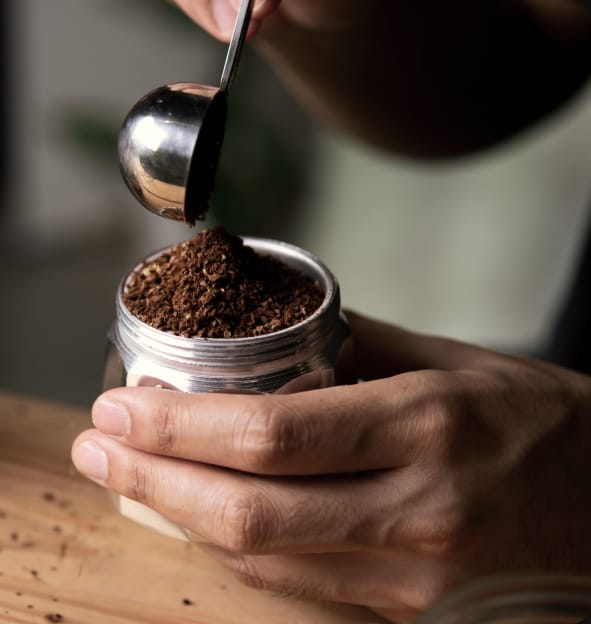
Dialling in an espresso means adjusting variables until the shot extracts correctly — producing a balanced cup that is neither sour nor bitter. It sounds technical, but the process is straightforward once you understand the three main levers: dose, yield, and time.

Dose is the amount of ground coffee you put in the portafilter — typically between 18 and 20 grams for a double shot. Yield is the weight of liquid espresso you collect in the cup. Time is how long the shot takes to run. A standard starting point is a 1:2 ratio (18g in, 36g out) over 25—30 seconds.

If your shot tastes sour or weak, it is under-extracted: grind finer or increase dose. If it tastes bitter or hollow, it is over-extracted: grind coarser or reduce dose. Taste every shot and make one change at a time.
The Role of Altitude in Coffee Flavour

Published on May 8, 2026

Ask any specialty coffee professional what single factor most influences coffee quality and many will say altitude. Elevation affects flavour in ways that are both direct and indirect, and understanding it helps explain why some of the world’s most celebrated coffees come from farms perched high in the mountains.

At higher altitudes, temperatures are cooler and the coffee cherry takes longer to ripen — sometimes twice as long as at lower elevations. This slow ripening concentrates sugars and organic acids within the bean, building complexity and the layered flavour profiles that specialty coffee drinkers seek.

High-altitude farming also comes with challenges. Cooler temperatures slow growth, meaning farmers invest more labour per kilogram of coffee produced. These factors are part of why great high-grown coffee commands a premium — and why we are committed to paying prices that reflect the real cost of producing it.

A Visit to Our Partner Farm in Brazil

Published on May 5, 2026

This past March, we made our annual visit to Fazenda S??o Lu??s, our long-standing partner farm in the Cerrado Mineiro region of Brazil. At 1,100 metres above sea level, the farm benefits from a distinct dry season that concentrates the sugars in the coffee cherries.

Farm owner Eduardo Ferreira greeted us with the same warmth he has shown every year for the past decade. Walking through the rows of Catua?? and Mundo Novo trees in full bloom, it was impossible not to feel the care and precision that goes into each harvest. The cherries are picked selectively by hand, then laid on raised beds to dry in the sun for up to thirty days.

The 2026 harvest is shaping up to be exceptional. Lower-than-average rainfall in January produced smaller cherries with higher sugar density — a natural gift that translates directly to chocolate and caramel notes in the roasted cup.

Brewing Guide: Filter Coffee at Home

Published on May 1, 2026

Filter coffee is one of the most rewarding brewing methods for exploring what a coffee truly tastes like. With a few simple tools and a bit of practice, you can produce a cup that rivals any specialty caf??.

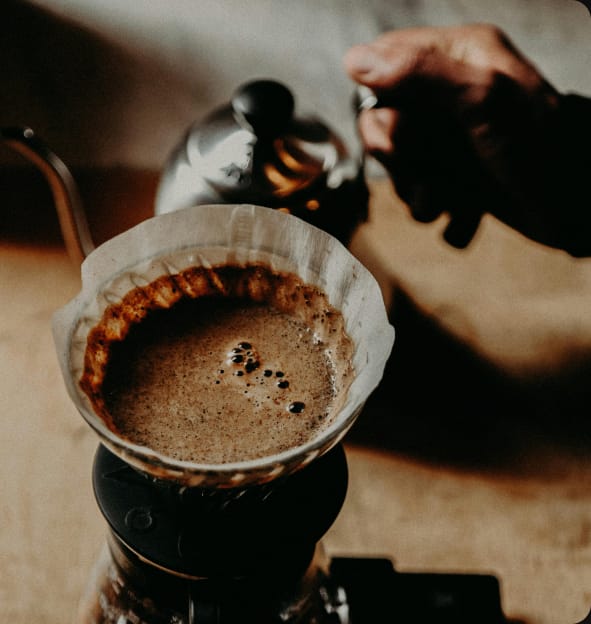
Start with freshly roasted beans ground just before brewing — coarser than espresso, similar to coarse sea salt. Use water between 92—96??C; boiling water will over-extract and create bitterness. The ratio of coffee to water matters: a starting point of 60g per litre works well for most filter methods.

Pour slowly and evenly, giving the coffee bed time to bloom in the first 30 seconds. This releases CO— trapped in fresh beans and improves extraction uniformity. Total brew time should land between 3 and 4 minutes. Adjust grind size if the cup is too sour (grind finer) or too bitter (grind coarser).

Understanding Coffee Roast Profiles

Published on April 22, 2026

Roasting is where science meets intuition. A roast profile is the record of time and temperature applied to green coffee beans during the roasting process. Every decision — how fast to apply heat, when to slow down, when to end the roast — shapes the final flavour in the cup.

Light roasts preserve the bean’s origin characteristics: floral aromatics, bright acidity, and complex fruit notes. Medium roasts develop sweetness and balance, making them crowd favourites for espresso and filter alike. Dark roasts emphasise roasting itself over origin, producing bold, smoky, bitter-sweet cups with a heavier body.

Our head roaster has spent fifteen years developing roast curves tailored specifically to each origin we source. The A3 South America profile uses a long development time to unlock the clean sweetness inherent in high-altitude Colombian beans.

The Art of Single-Origin Coffee

Published on April 10, 2026

Single-origin coffee tells the story of a specific place. Unlike blends that combine beans from multiple farms or countries, a single-origin coffee comes from one defined region — sometimes even a single estate or cooperative. This traceability allows roasters and consumers alike to experience the distinct character of a particular terroir.

When you sip a single-origin Ethiopian coffee, you taste the volcanic soils of Yirgacheffe, the altitude of the highlands, and the traditional wet-processing methods passed down through generations. Every cup is a direct line to the farmers who cultivated it.

At Rossetti, our sourcing team visits each partner farm twice a year to assess crop quality, support sustainable practices, and ensure fair compensation for every worker in the supply chain.